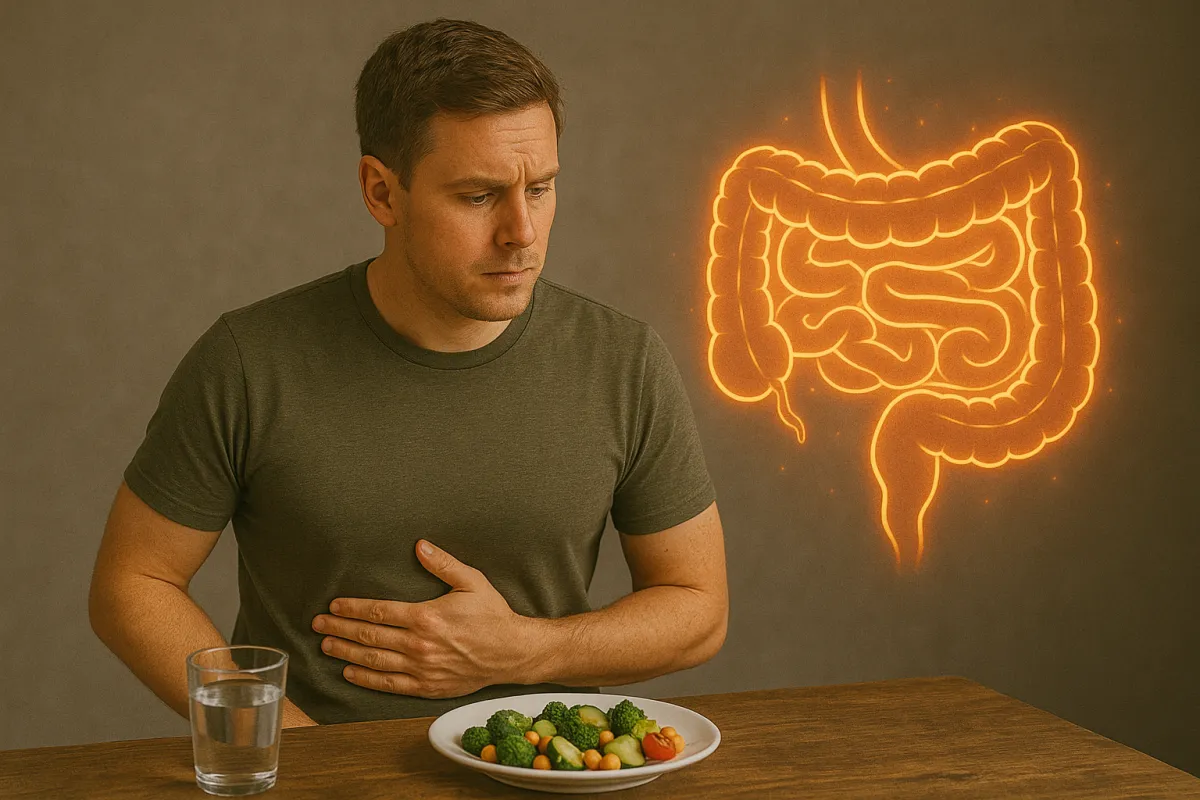
Gut Health & IF: Microbiome, Motility, and the “Leaky Gut” Question
Your gut likes rhythm.
The microbiome and digestive tract follow a circadian pattern; constant grazing and late-night eating can disrupt it. IF restores daily fasting periods that appear to improve motility, diversify microbes, and strengthen the gut barrier.
Microbiome shifts
Animal TRF/ADF studies show higher microbial diversity and enrichment of beneficial bacteria such as Akkermansia muciniphila and Lactobacillus—taxa linked to improved insulin sensitivity and gut barrier integrity. Human studies (Ramadan fasting, ADF pilots) report diversity increases and lower endotoxin activity, suggesting less “metabolic endotoxemia.”
Motility & bloating
Fasting spaces allow the migrating motor complex (MMC)—the gut’s house-cleaning waves—to sweep residual contents and bacteria forward. That often means less bloating, fewer “stalled” meals, and potentially lower small intestinal bacterial overgrowth risk. Many with IBS find symptoms improve with a consistent 12–16 h overnight fast plus smart food choices.
Reflux and timing
Late meals worsen GERD; IF’s earlier dinner naturally reduces nighttime reflux. Early TRE trials report improved nocturnal acidity exposure and sleep quality proxies.
Barrier integrity
Short-term fasting appears to tighten junctions and reduce circulating LPS in several small studies, consistent with a calmer gut-immune axis. Mechanistically, fasting/FMD cycles may stimulate intestinal stem-cell renewal and mucosal repair (shown in animal models).
Practical gut-friendly IF
Start gentle. 12:12 → 14:10 → 16:8; let the MMC work.
Break fast kindly. Avoid ultra-rich meals as first bite; begin with protein + easy veg/fermented foods; chew well.
Fiber & fluids. In the window, hit 25–35 g/day fiber from plants and hydrate in and between windows.
Trigger awareness. Keep an eye on personal triggers (FODMAPs, very spicy foods) especially at the first meal.
Medical caveats. Active IBD flares, peptic ulcer disease, or severe reflux require individualized plans with clinicians.
Bottom line: IF provides the temporal structure your gut thrives on—more MMC time, improved microbial balance, and a sturdier barrier. Pair it with fiber-rich, minimally processed foods and you have a potent recipe for a happier gut.
Selected references
Longo VD, Panda S. Fasting and circadian feeding. Cell Metab. 2016;23:1048–1059.
Anton SD et al. TRE and cardiometabolic health. Nutrients. 2018;10:475.
Cienfuegos S et al. TRE and metabolic endotoxemia (pilot). Cell Metab. 2020;32:366–378.e3.
Li G et al. TRF reshapes microbiome in mice. Cell Metab. 2017;26:672–689.
