
Welcome
Fasting Made Simple, Safe & Sustainable
You want more energy, sharper focus, and lasting health but conflicting advice can make fasting feel confusing and unsafe. Here, we bring you science-backed fasting guidance designed for real life: practical, sustainable, and clear.
Beginner Friendly
Lasting Results
Expert's Supervision
Inspired By:
Mattson, Panda, Longo, Ohsumi, Huberman, Hyman, Berg, Winter, Seyfried
About
We Exist to Help You Thrive
Fasting isn’t a fad, it’s a tool for energy, resilience, and longevity. Our job is to translate the science into simple steps you can actually live with.
Our Vision
To make fasting a safe, sustainable, science-backed lifestyle for anyone seeking energy and resilience.
Our Mission
To remove the confusion, fear, and extremes around fasting and replace them with clarity, safety, and results.
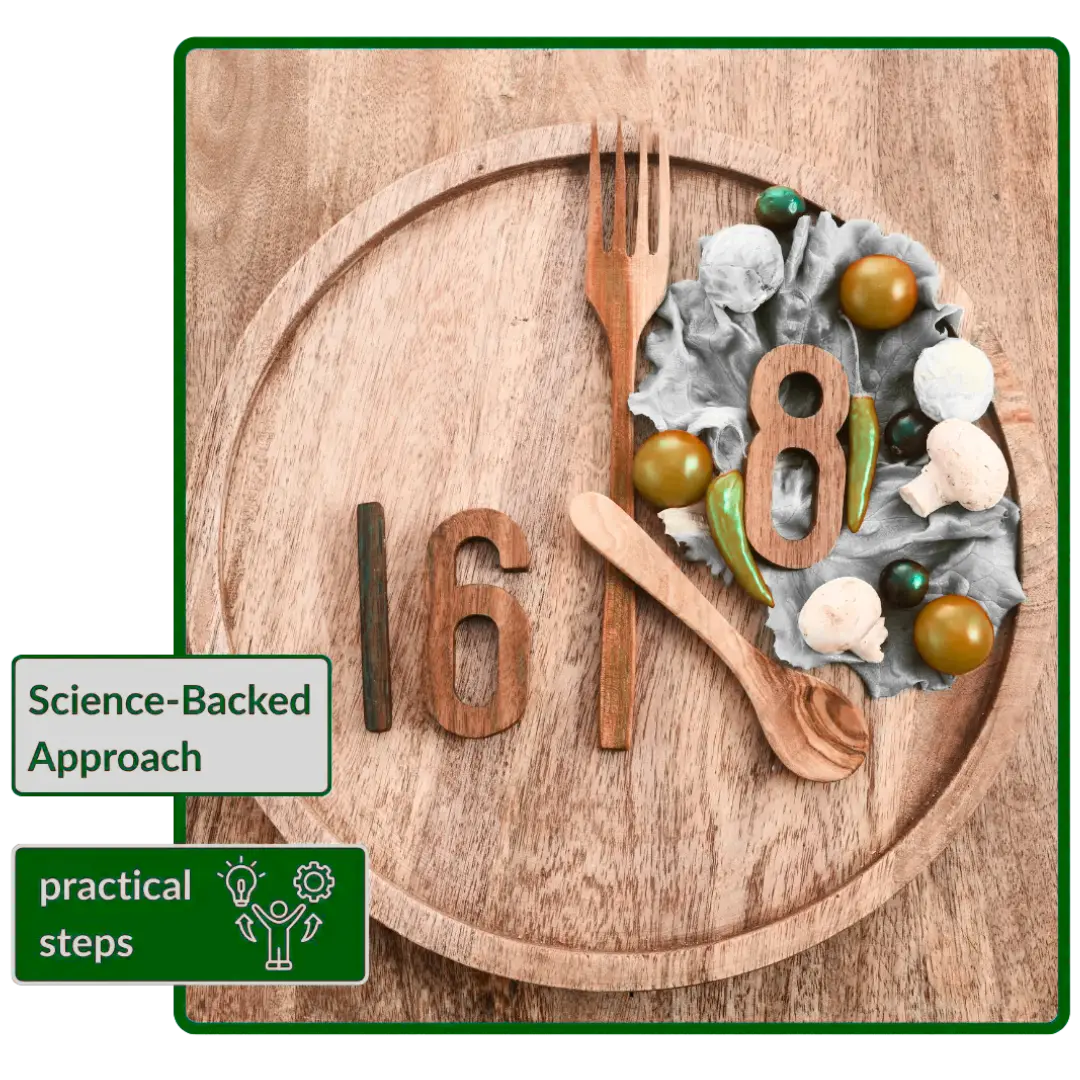
Our Core Focus
Guidance That Meets You Where You Are

Build Your Fasting Habit
Start gently with simple rhythms like 12:12 and 14:10 so fasting feels approachable, not extreme.
Step-by-Step Progression
Move towards 16:8, 18:6, and beyond with guardrails that protect your health.

Lifestyle Support
Hydration, sleep, and first-meal guidance to make fasting fit into your life.
Why Choose NovareVitalis™
Most fasting advice online is either too extreme, too vague, or too unscientific. One day you’re told to fast 72 hours, the next day someone says fasting doesn’t work at all. No wonder it feels confusing and overwhelming.
Here’s what makes us different
Because You Deserve Clarity, Safety, and Results

Evidence-Informed
We’re guided by the pioneering work of leading researchers in metabolism, circadian biology, and human longevity—Mark Mattson, Satchin Panda, Valter Longo, Yoshinori Ohsumi, and others shaping science worldwide.

Practical & Sustainable
Fasting doesn’t have to mean rigid schedules or living in a lab. We design rhythms and protocols that fit your busy life, family meals, work, social events, and travel. You’ll find plans flexible enough to stick with and realistic enough to enjoy.

Step-by-Step Guidance
We don’t throw you into advanced fasting protocols on day one. Instead, we guide you through gentle, progressive stages: 12:12 → 14:10 → 16:8 → 18:6. That way, your body adapts naturally, and you feel more in control with each step forward.

Safety Always Comes First
Fasting is powerful, but it’s not for everyone, and it’s not risk-free. That’s why we build red flags, referral points, and safety guardrails into everything we do. You’ll always know when to push forward, when to pause, and when to seek medical advice.

Science-Backed Benefits
Our approach is rooted in peer-reviewed research showing how fasting supports metabolic health, cellular repair, brain function, and longevity. Every protocol is built on evidence, not passing fads, so you can trust the process.
The Fasting Treasure No Where To Found
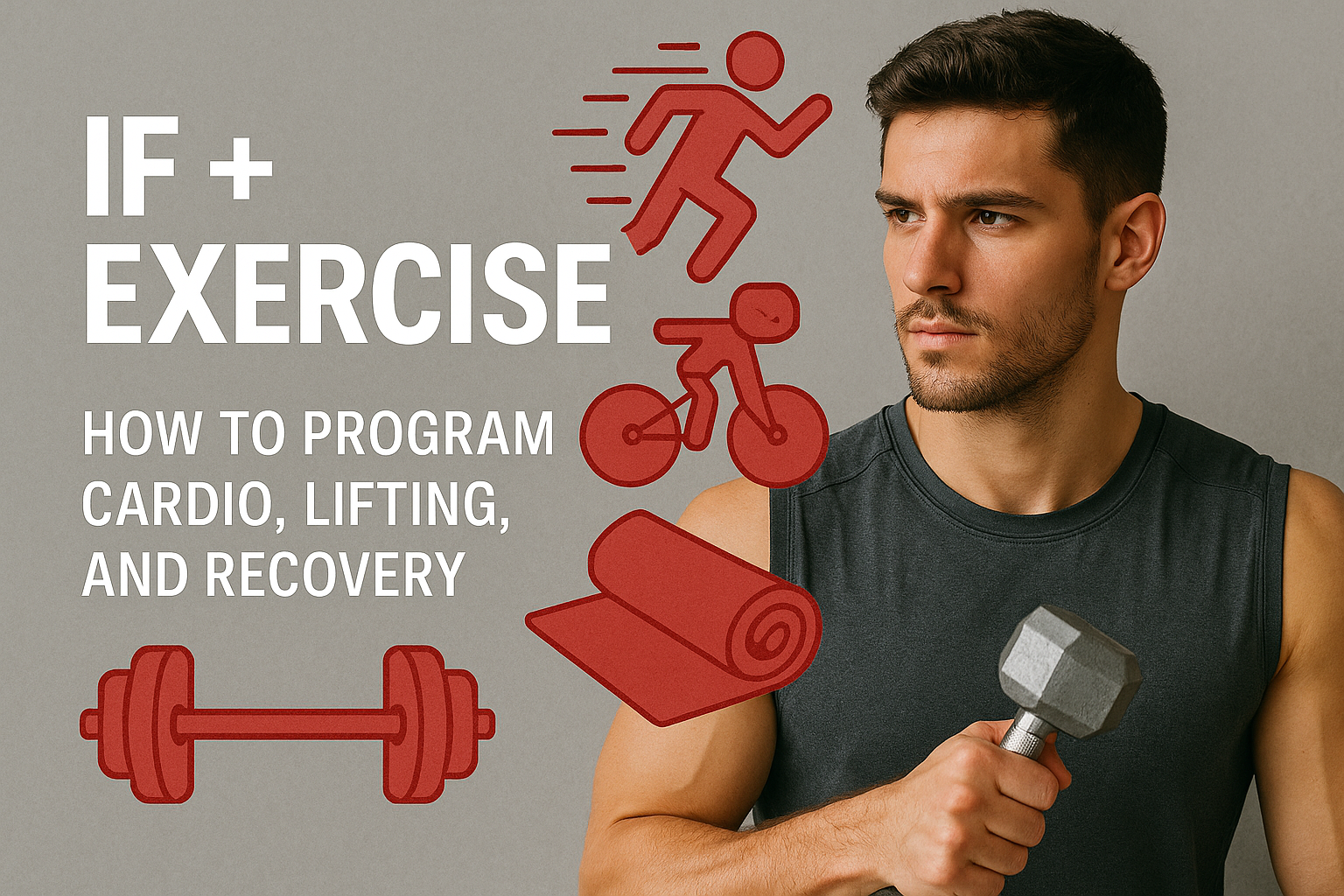
IF + Exercise: How to Program Cardio, Lifting, and Recovery
Intermittent fasting (IF) isn’t a training plan—but the way you train inside a fasting schedule matters. Done right, you can lift heavy, run faster, keep (or gain) lean mass, and use your fasting window as a compliance tool to manage hunger and calories—not as a limit on performance.
What happens to training in a fast?
During a fast, insulin is low (unlocking fat stores), norepinephrine rises (mobilizing fat), and growth hormone increases (lean-mass sparing) (de Cabo & Mattson, 2019). Ketones provide steady fuel for the brain, so you can focus, and your body becomes more metabolically flexible—better at burning fat at lower intensities. That’s why many people feel great doing steady cardio or skill work in a fast. For high-intensity work or heavy lifting, glycogen still matters—so you’ll either (a) train fasted and eat soon after, or (b) train within your eating window.
Lifting + IF: the research
In resistance-trained men, an 8-hour eating window (16:8) over 8 weeks produced fat loss without loss of muscle or strength (Moro et al., 2016). Reviews find IF can preserve lean mass as well as continuous diets when protein and progressive resistance training are in place (Tinsley & La Bounty, 2015). Translation: you can lift heavy and keep muscle on IF if you hit protein and total calories.
Cardio + IF: “train low,” race high
For submaximal cardio, a fasted session nudges your body to oxidize more fat (Hawley & Burke, 2010). That doesn’t mean every session should be fasted; it means you can place easy/steady work when fasted to develop fat-burning capacity, then fuel harder intervals or key long runs inside the eating window.
Programming templates (pick one)
A) Strength-biased (4 days/week lifting)
Mon/Thu (fasted AM or pre-lunch): Squat/hinge focus; break fast within 1–2 h post-lift (30–50 g protein + carbs).
Tue (easy cardio/skills): 30–40 min steady; hydrate + electrolytes.
Sat (upper push/pull): Train at start of eating window; normal meals after.
B) Endurance-biased (2–3 lifts + intervals)
Mon/Wed/Fri: 30–60 min steady cardio fasted; optional strides at end.
Tue/Sat: Lift at first meal; add intervals (e.g., 6×3 min @ 5K effort) within window.
Long run/ride: Place in window; pre-fuel lightly (banana/yogurt), eat protein-carb meal after.
C) General fitness (3 lifts + 2 mixed cardio)
Mon/Wed/Fri: Full-body lifting (compound push/pull/hinge/squat).
Tue/Sat: 20–30 min zone 2 + 6–8 hill sprints or short intervals (do inside window if intensity is high).
Protein, carbs, and total calories
Protein: Aim for 1.6–2.2 g/kg/day (Morton et al., 2018), split over 2–3 feedings ≥25–40 g each to maximize muscle protein synthesis.
Carbs: You don’t need to go ultra-low. Use carb periodization—cluster more carbs on lift/interval days (inside your window) and fewer on easy/rest days.
Fats: Include quality fats (olive oil, nuts, omega-3s) for satiety and recovery.
Creatine: 3–5 g/day supports strength and lean mass irrespective of timing.
Fasted training tips (so it feels good)
Hydrate; add a pinch of salt or an electrolyte tab if you cramp or eat lower-carb.
Keep fasted sessions ≤60 min if high intensity; extend easy/steady work as you adapt.
If heavy squats/deads feel flat fasted, shift them into the window or add a tiny protein-only “preload” (know it breaks a strict fast, but it can be worth it for performance).
Break the fast within ~1–2 hours after lifting with 30–50 g protein + carbs (e.g., eggs + rice, Greek yogurt + fruit, tofu bowl with quinoa).
Recovery and readiness
Sleep (7–9 hours) is your anabolic multiplier. IF often improves sleep when eating stops 2–3 h pre-bed. Track simple markers—resting heart rate, mood, bar speed—to avoid pushing intensity on under-recovered days. If you’re dragging for a week, widen the window or raise calories by ~10%.
Female athletes: cycle-aware tweaks
Many women do great with 14:10 most days; extend to 16:8 if energy, mood, and cycles are stable. In late luteal phase, slightly shorten the fast or bring carbs closer to training if sleep/cravings dip. The rule: fuel the work, protect cycles, and progress loads.
Bottom line
Use IF as a structure tool, not a limiter. Lift heavy 2–4×/week, layer easy cardio (fasted is fine), fuel key efforts in your window, and hit daily protein. Do that, and IF supports the exact adaptations you want—stronger, fitter, leaner.
Selected references
Moro T et al. Time-restricted feeding + resistance training. J Transl Med. 2016;14:290.
Tinsley GM, La Bounty PM. IF and body composition/performance. Nutr Rev. 2015;73:661–674.
Hawley JA, Burke LM. “Train-low” for endurance adaptations. Sports Med. 2010;40:1–23.
de Cabo R, Mattson MP. N Engl J Med. 2019;381:2541–2551.
Morton RW et al. Protein dose & MPS. Br J Sports Med. 2018;52:376–384.

Ready to Begin?
Your fasting journey doesn’t need to be confusing, risky, or overwhelming.
With NovareVitalis™, you’ll gain clarity, confidence, and a path you can live with.
COMPANY
Keep in Touch
Copyrights 2025 | Terms & Conditions
Disclaimer: The information available is for informational purpose only and not intended to diagnose, treat, cure, or prevent any disease.