
Fasting Training
Pair Fasting with Productivity, Workouts, and Clear Thinking
Fasting isn’t just about when you eat, it’s about how your energy, focus, and training adapt when you give your body a consistent rhythm. With the right adjustments, fasting can support both mental clarity and physical performance.
Inspired By:
Mattson, Panda, Longo, Ohsumi, Huberman, Hyman, Berg, Winter, Seyfried
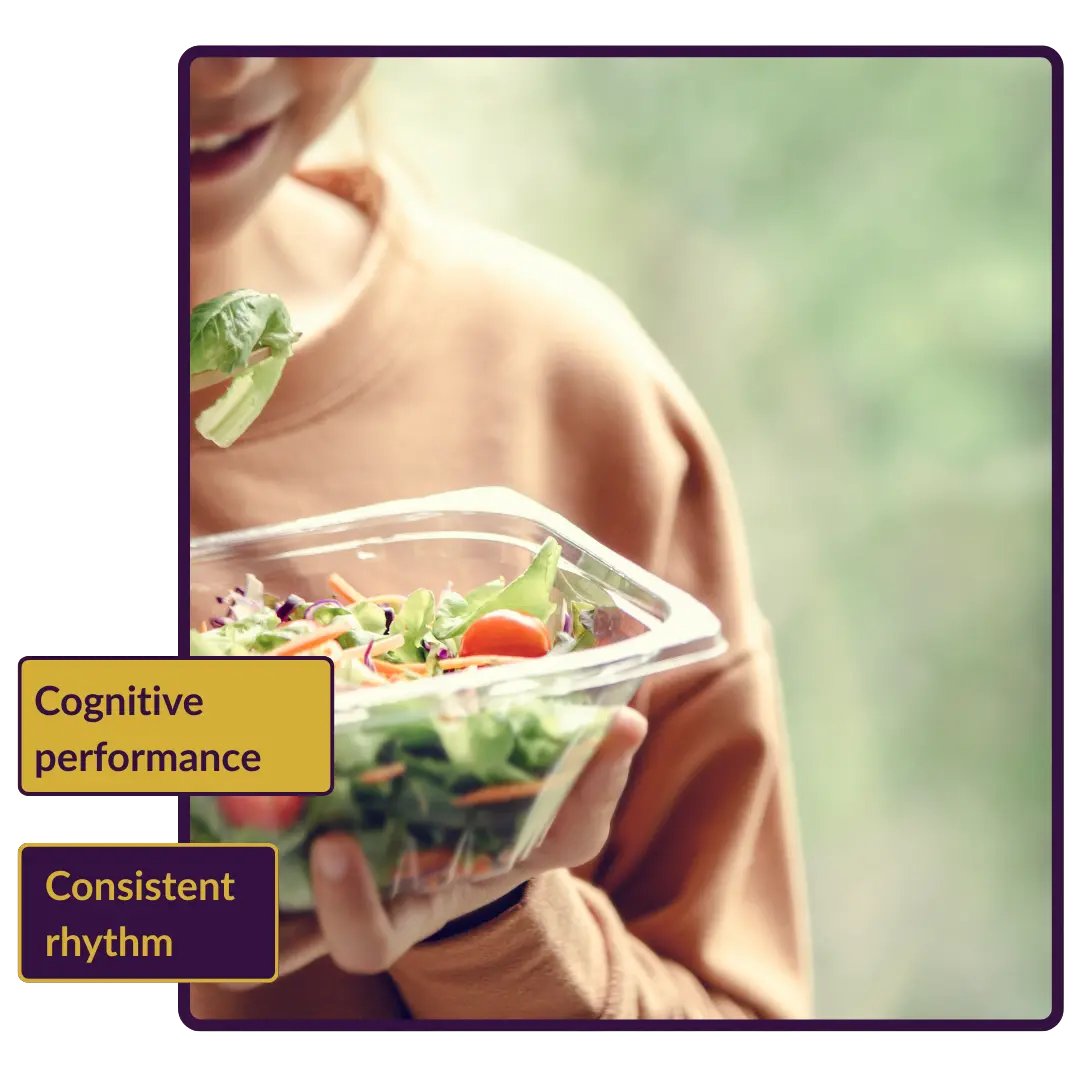
Work & Cognition
Many people notice steadier focus during fasting hours, free from the dips and spikes that often come with constant snacking.
Others may take a few weeks to adjust.
The best way to understand your response is to track your focus and energy for 2–3 weeks. Pay attention to your most productive hours and align your eating window accordingly.
Research Insight:
Neuroscientist Andrew Huberman highlights that aligning your feeding with circadian rhythms, eating earlier and keeping windows consistent can support cognitive performance and mood.
Training Placement
Your workouts don’t need to suffer while fasting. In fact, with a few adjustments, they can improve:
Strength & High-Intensity Training (HIIT)
Best scheduled near the start of your eating window, so you can refuel with protein and nutrients soon after.
Low-to-Moderate Cardio
Activities like walking, cycling, or light jogging can be done fasted—just stay hydrated and listen to your body.
Recovery
Sleep is still the foundation of progress. Aim for 7–9 hours each night to support muscle repair, mental clarity, and hormonal balance.
The NovareVitalis™ Weekly Matrix
A simple framework you can adapt to your own life:
Weekly Framework
- Monday / Wednesday / Friday → Strength or HIIT sessions inside your eating window
- Tuesday / Thursday → Easy fasted walk or light cardio
- Weekend → Flexible—choose what works best for your schedule and recovery
This rhythm balances training stress with fasting benefits while keeping your week realistic and adaptable.
The Fasting Treasure No where to found

Breaking a Fast: Exactly What to Eat (and Why It Matters)
How you break your fast sets the tone for the rest of the window—energy, appetite, and glycemia. The goal is to re-feed without a glucose whiplash, hit a solid protein target, and get micronutrients that support metabolism.
Principles first
Protein anchor. Start with 25–40 g high-quality protein (eggs, Greek yogurt, tofu/tempeh, fish, chicken, legumes + grains). This stimulates muscle protein synthesis (MPS), stabilizes appetite, and blunts glucose excursions.
Fiber + polyphenols. Vegetables, berries, pulses, and whole grains slow gastric emptying and feed the microbiome → steadier glucose and better satiety.
Smart carbs, not fear of carbs. Especially if you train, include minimally processed carbs alongside protein/fiber to replenish glycogen without spikes.
Electrolytes & hydration. During fasts you excrete more sodium; a pinch of salt or mineral water when breaking the fast can relieve dizziness or cramps (especially on lower-carb diets).
Three break-fast templates
1) Protein + plants first (everyday).
Bowl: 200 g Greek yogurt or skyr + 30 g whey/collagen, mixed berries, chia/flax, crushed nuts; side of cucumber/tomatoes + olive oil.
Or: 3 eggs + 100 g smoked salmon; big salad with mixed greens, peppers, olive oil, lemon; slice of whole-grain or a small portion of quinoa.
2) Resistance-training recovery.
30–50 g whey/soy shake within ~60 min of training; follow with a meal: chicken/tofu stir-fry, mixed veg, jasmine rice; fruit for dessert.
Alternatively: tuna/bean salad in olive oil with potatoes; kefir on the side.
3) Plant-forward/low-GI.
Lentil/vegetable soup; side of tempeh and avocado; berries with soy yogurt.
Chickpea-quinoa bowl with tahini and roasted veg; apple with almond butter.
What to limit when opening the window
Ultra-processed sweets & refined flour (donuts, pastries): fast absorption → glucose/insulin spike, rebound hunger.
Large alcohol hits on an empty stomach.
Very high-fat first bite if you’re acid-reflux-prone; start lighter, then enjoy richer foods later.
Sequence matters
Lead with protein + plants, then layer in carbs and fats. This “veggie-first” approach reduces post-meal glucose and insulin peaks, improving satiety for the rest of the window.
Micronutrients & supplements
Creatine (3–5 g/day) for lifters.
Omega-3s (if intake is low) support cardiometabolic and brain health.
Magnesium (glycinate/citrate) can help sleep and glucose control; discuss with a clinician if on meds.
Troubleshooting
Intense hunger → overeating: Add a small protein preload (bone broth with collagen; a boiled egg) 20–30 min before your main plate.
GI discomfort: Break with a gentler meal (e.g., yogurt + berries) and avoid bolus high-fat loads as the first bite.
Sleep disruption: Avoid heavy meals close to bedtime; consider earlier windows.
Bottom line: A well-designed break-fast primes your physiology: stable glucose, high satiety, and strong MPS. The formula isn’t fancy—protein + plants first, add smart carbs and fats, hydrate, and you’re set.
Selected references
de Cabo R, Mattson MP. N Engl J Med. 2019;381:2541–2551.
Morton RW et al. Protein and MPS. Br J Sports Med. 2018;52:376–384.
Kahleova H et al. Meal sequencing and glycemia. Nutr Diabetes. 2014;4:e134.
Sutton EF et al. Cell Metab. 2018;27:1212–1221.e3.

Ready to Begin?
Start today with our free 14-Day Beginner Plan and take your first step into fasting with clarity and confidence.
COMPANY
Keep in Touch
Copyrights 2025 | Terms & Conditions
Disclaimer: The information available is for informational purpose only and not intended to diagnose, treat, cure, or prevent any disease.