
Welcome
Fasting Made Simple, Safe & Sustainable
You want more energy, sharper focus, and lasting health but conflicting advice can make fasting feel confusing and unsafe. Here, we bring you science-backed fasting guidance designed for real life: practical, sustainable, and clear.
Beginner Friendly
Lasting Results
Expert's Supervision
Inspired By:
Mattson, Panda, Longo, Ohsumi, Huberman, Hyman, Berg, Winter, Seyfried
About
We Exist to Help You Thrive
Fasting isn’t a fad, it’s a tool for energy, resilience, and longevity. Our job is to translate the science into simple steps you can actually live with.
Our Vision
To make fasting a safe, sustainable, science-backed lifestyle for anyone seeking energy and resilience.
Our Mission
To remove the confusion, fear, and extremes around fasting and replace them with clarity, safety, and results.
Our Core Focus
Guidance That Meets You Where You Are

Build Your Fasting Habit
Start gently with simple rhythms like 12:12 and 14:10 so fasting feels approachable, not extreme.

Step-by-Step Progression
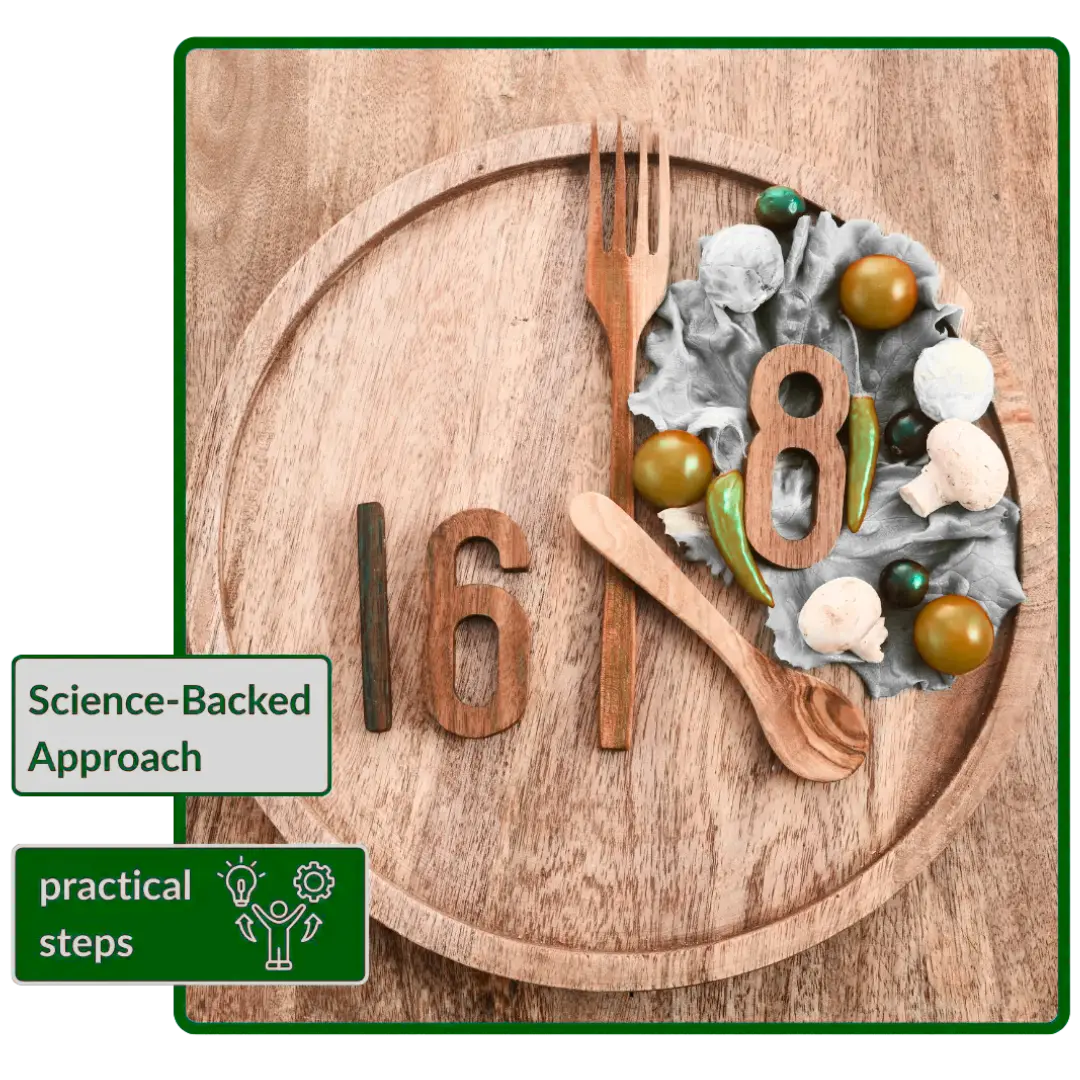
Move towards 16:8, 18:6, and beyond with guardrails that protect your health.

Lifestyle Support
Hydration, sleep, and first-meal guidance to make fasting fit into your life.
Why Choose NovareVitalis™
Most fasting advice online is either too extreme, too vague, or too unscientific. One day you’re told to fast 72 hours, the next day someone says fasting doesn’t work at all. No wonder it feels confusing and overwhelming.
Here’s what makes us different
Because You Deserve Clarity, Safety, and Results

Evidence-Informed
We’re guided by the pioneering work of leading researchers in metabolism, circadian biology, and human longevity—Mark Mattson, Satchin Panda, Valter Longo, Yoshinori Ohsumi, and others shaping science worldwide.

Practical & Sustainable
Fasting doesn’t have to mean rigid schedules or living in a lab. We design rhythms and protocols that fit your busy life, family meals, work, social events, and travel. You’ll find plans flexible enough to stick with and realistic enough to enjoy.

Step-by-Step Guidance
We don’t throw you into advanced fasting protocols on day one. Instead, we guide you through gentle, progressive stages: 12:12 → 14:10 → 16:8 → 18:6. That way, your body adapts naturally, and you feel more in control with each step forward.

Safety Always Comes First
Fasting is powerful, but it’s not for everyone, and it’s not risk-free. That’s why we build red flags, referral points, and safety guardrails into everything we do. You’ll always know when to push forward, when to pause, and when to seek medical advice.

Science-Backed Benefits
Our approach is rooted in peer-reviewed research showing how fasting supports metabolic health, cellular repair, brain function, and longevity. Every protocol is built on evidence, not passing fads, so you can trust the process.
The Fasting Treasure No Where To Found

Intermittent Fasting for Type 2 Diabetes: Remission, Meds, and Real-World Practice
Type 2 diabetes (T2D) is fundamentally a carbohydrate-intolerance disease driven by insulin resistance and excess liver/visceral fat. Intermittent fasting (IF) can attack each mechanism by lowering basal insulin, improving insulin sensitivity, and shrinking ectopic fat—sometimes allowing medication reductions under medical supervision.
What the evidence shows
Intermittent energy restriction vs. continuous restriction. In adults with T2D, intermittent energy restriction (e.g., 5:2) achieved non-inferior HbA1c reductions and weight loss compared with continuous daily restriction over 12 months (Carter et al., 2018).
Time-restricted eating (TRE). Early TRE improves glycemic variability and insulin sensitivity even without weight loss in prediabetes (Sutton et al., 2018). TRE studies in people with metabolic syndrome show lower 24-hour glucose, smaller post-meal excursions, and improved blood pressure (Wilkinson et al., 2020).
Medication de-intensification (clinical experience + small trials). Many patients can reduce insulin or sulfonylureas when fasting windows begin—only with clinician oversight to avoid hypoglycemia. GLP-1 receptor agonists and metformin pair well with IF but still warrant monitoring.
Why IF works in T2D
Lower insulin exposure (fasts) restores receptor sensitivity.
Hepatic fat reduction improves hepatic insulin signaling and fasting glucose.
Improved metabolic flexibility reduces post-prandial spikes; ketone signaling may calm inflammation that drives insulin resistance.
Earlier windows leverage circadian biology—your pancreas and muscles handle calories better earlier in the day.
Practical T2D IF framework (with clinician)
Pick a gentle start: 12:12 for 1–2 weeks (no food 8 pm–8 am). Track fasting glucose and symptoms.
Progress to 14:10 or 16:8, ideally ending meals earlier (e.g., 8 am–6 pm or 10 am–6 pm).
Meals in the window: protein-forward, high-fiber, minimally processed carbs, healthy fats.
Movement after meals: 10–15 minutes walking lowers post-prandial glucose.
Strength training 2–3×/week: increases GLUT-4 and insulin sensitivity.
Medication plan: pre-agree with your clinician how to titrate insulin/sulfonylureas on fasting days to prevent hypos.
What about remission?
Large remission trials using low-energy diets (e.g., DiRECT) show substantial diabetes remission with weight loss driven by calorie restriction and liver/visceral fat loss. IF is a different structure to create similar energy deficits and fasted signaling. Remission depends on magnitude of fat loss and duration; IF can be the sustainable method that gets you there.
Safety and red flags
Do not begin aggressive fasting while on insulin or sulfonylureas without a medication plan.
Be cautious with SGLT2 inhibitors (risk of euglycemic ketoacidosis in rare cases) if combining with prolonged fasts.
If you experience hypoglycemia, dizziness, or confusion, break the fast and follow your clinician’s plan.
Pregnant/breastfeeding: IF for weight loss is not appropriate.
Bottom line
IF can be a powerful adjunct for T2D: lower insulin exposure, better glycemic profiles, weight and visceral fat loss, and potential medication de-intensification—when done safely with clinician guidance and anchored by protein-rich, fiber-dense meals and regular movement.
Selected references
Carter S et al. Intermittent vs continuous energy restriction in T2D. JAMA Netw Open. 2018;1:e180756.
Sutton EF et al. Early TRE in prediabetes. Cell Metab. 2018;27:1212–1221.e3.
Wilkinson MJ et al. TRE improves cardiometabolic health in metabolic syndrome. Cell Metab. 2020;31:92–104.
de Cabo R, Mattson MP. N Engl J Med. 2019;381:2541–2551.

Ready to Begin?
Your fasting journey doesn’t need to be confusing, risky, or overwhelming.
With NovareVitalis™, you’ll gain clarity, confidence, and a path you can live with.
COMPANY
Keep in Touch
Copyrights 2025 | Terms & Conditions
Disclaimer: The information available is for informational purpose only and not intended to diagnose, treat, cure, or prevent any disease.