
Welcome
Fasting Made Simple, Safe & Sustainable
You want more energy, sharper focus, and lasting health but conflicting advice can make fasting feel confusing and unsafe. Here, we bring you science-backed fasting guidance designed for real life: practical, sustainable, and clear.
Beginner Friendly
Lasting Results
Expert's Supervision
Inspired By:
Mattson, Panda, Longo, Ohsumi, Huberman, Hyman, Berg, Winter, Seyfried
About
We Exist to Help You Thrive
Fasting isn’t a fad, it’s a tool for energy, resilience, and longevity. Our job is to translate the science into simple steps you can actually live with.
Our Vision
To make fasting a safe, sustainable, science-backed lifestyle for anyone seeking energy and resilience.
Our Mission
To remove the confusion, fear, and extremes around fasting and replace them with clarity, safety, and results.
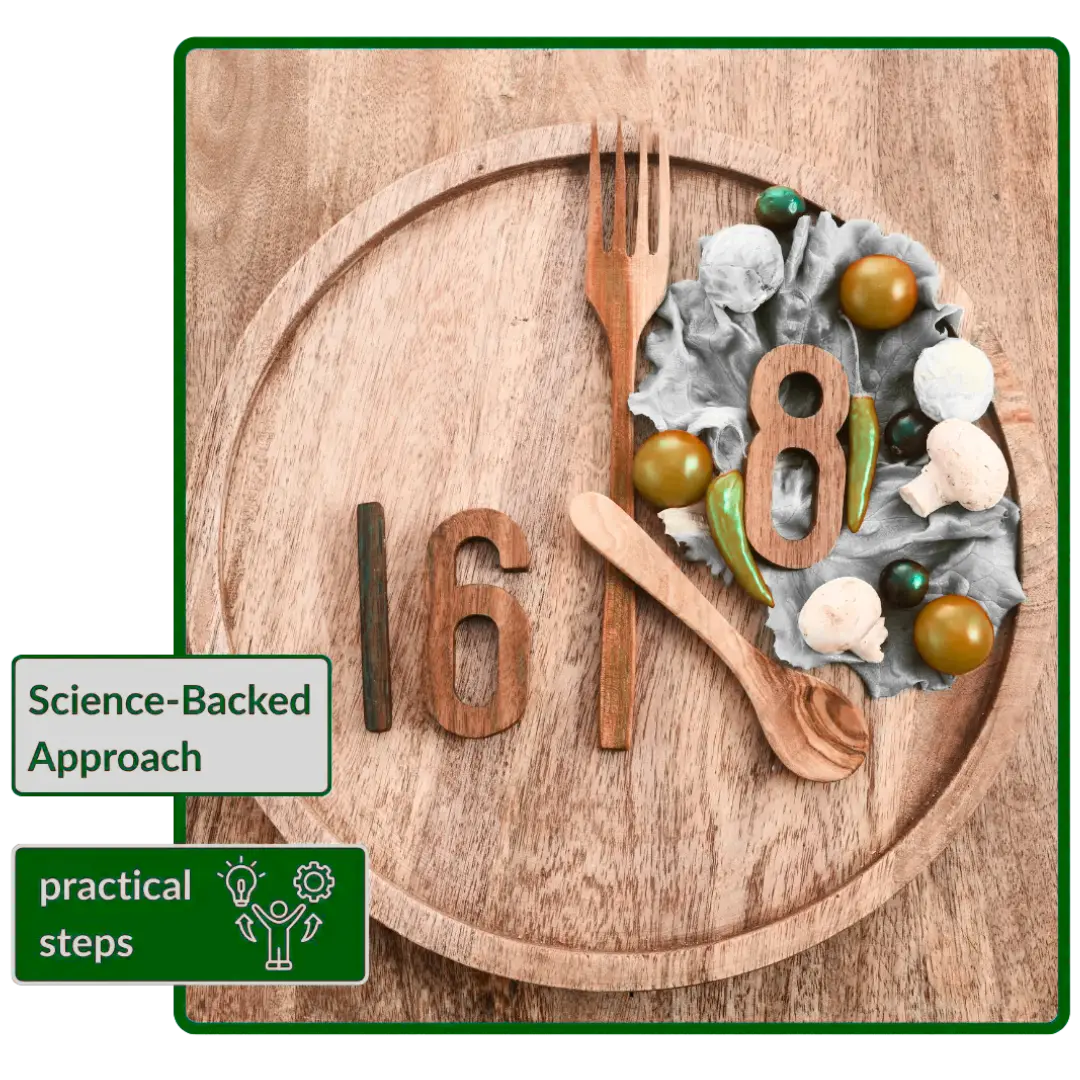
Our Core Focus
Guidance That Meets You Where You Are

Build Your Fasting Habit
Start gently with simple rhythms like 12:12 and 14:10 so fasting feels approachable, not extreme.
Step-by-Step Progression
Move towards 16:8, 18:6, and beyond with guardrails that protect your health.

Lifestyle Support
Hydration, sleep, and first-meal guidance to make fasting fit into your life.
Why Choose NovareVitalis™
Most fasting advice online is either too extreme, too vague, or too unscientific. One day you’re told to fast 72 hours, the next day someone says fasting doesn’t work at all. No wonder it feels confusing and overwhelming.
Here’s what makes us different
Because You Deserve Clarity, Safety, and Results

Evidence-Informed
We’re guided by the pioneering work of leading researchers in metabolism, circadian biology, and human longevity—Mark Mattson, Satchin Panda, Valter Longo, Yoshinori Ohsumi, and others shaping science worldwide.

Practical & Sustainable
Fasting doesn’t have to mean rigid schedules or living in a lab. We design rhythms and protocols that fit your busy life, family meals, work, social events, and travel. You’ll find plans flexible enough to stick with and realistic enough to enjoy.

Step-by-Step Guidance
We don’t throw you into advanced fasting protocols on day one. Instead, we guide you through gentle, progressive stages: 12:12 → 14:10 → 16:8 → 18:6. That way, your body adapts naturally, and you feel more in control with each step forward.

Safety Always Comes First
Fasting is powerful, but it’s not for everyone, and it’s not risk-free. That’s why we build red flags, referral points, and safety guardrails into everything we do. You’ll always know when to push forward, when to pause, and when to seek medical advice.

Science-Backed Benefits
Our approach is rooted in peer-reviewed research showing how fasting supports metabolic health, cellular repair, brain function, and longevity. Every protocol is built on evidence, not passing fads, so you can trust the process.
The Fasting Treasure No Where To Found

Chrono-Fasting: Why Earlier Eating Windows Often Work Better
Your metabolism runs on a clock. Insulin sensitivity and glucose tolerance are highest earlier in the day; melatonin at night impairs insulin secretion. Eating late pushes calories into a metabolically unfavorable window. Early time-restricted eating (eTRE) exploits this by finishing meals earlier—often improving biomarkers independent of weight change.
The circadian argument
Pancreas & peripheral clocks. The pancreas anticipates morning feeding with better insulin output; skeletal muscle insulin sensitivity falls across the day.
Nighttime mismatch. Late eating coincides with melatonin, which blunts insulin secretion, raising post-meal glucose. Chronically, this pattern associates with higher HbA1c and triglycerides.
Human trials
In men with prediabetes, eating within 8 am–2 pm for five weeks (same calories as control) improved insulin sensitivity, lowered blood pressure, and reduced oxidative stress. Other eTRE trials report better 24-hour glucose profiles and appetite regulation. Notably, these changes arise without weight loss, a pure timing effect.
Practical eTRE
Pick an 8–10 h window ending by 3–6 pm. Examples: 8–4 pm or 10–6 pm.
Front-load protein. A protein-forward breakfast (25–40 g) stabilizes appetite and glucose.
Move post-meal. Walks amplify glycemic benefits.
Make it social. If dinners are non-negotiable, compromise with a 10-h window (e.g., 10–8) and avoid late-night snacking.
Who benefits most?
People with insulin resistance, hypertension, fatty liver, or poor sleep. Night-shift workers require tailored strategies (e.g., consistent “day” on their schedule, compression of meals in their wake cycle).
Bottom line:
Aligning when you eat with how your body handles nutrients makes the same calories “metabolically cheaper.” If you can swing it, earlier windows provide extra leverage.
Selected references
Sutton EF et al. Early TRE improves insulin/BP. Cell Metab. 2018;27:1212–1221.e3.
Longo VD, Panda S. Cell Metab. 2016;23:1048–1059.
Jamshed H et al. Early vs mid-day TRE. Nutrients. 2019;11:1234.

Ready to Begin?
Your fasting journey doesn’t need to be confusing, risky, or overwhelming.
With NovareVitalis™, you’ll gain clarity, confidence, and a path you can live with.
COMPANY
Keep in Touch
Copyrights 2025 | Terms & Conditions
Disclaimer: The information available is for informational purpose only and not intended to diagnose, treat, cure, or prevent any disease.