
Welcome
Fasting Made Simple, Safe & Sustainable
You want more energy, sharper focus, and lasting health but conflicting advice can make fasting feel confusing and unsafe. Here, we bring you science-backed fasting guidance designed for real life: practical, sustainable, and clear.
Beginner Friendly
Lasting Results
Expert's Supervision
Inspired By:
Mattson, Panda, Longo, Ohsumi, Huberman, Hyman, Berg, Winter, Seyfried
About
We Exist to Help You Thrive
Fasting isn’t a fad, it’s a tool for energy, resilience, and longevity. Our job is to translate the science into simple steps you can actually live with.
Our Vision
To make fasting a safe, sustainable, science-backed lifestyle for anyone seeking energy and resilience.
Our Mission
To remove the confusion, fear, and extremes around fasting and replace them with clarity, safety, and results.
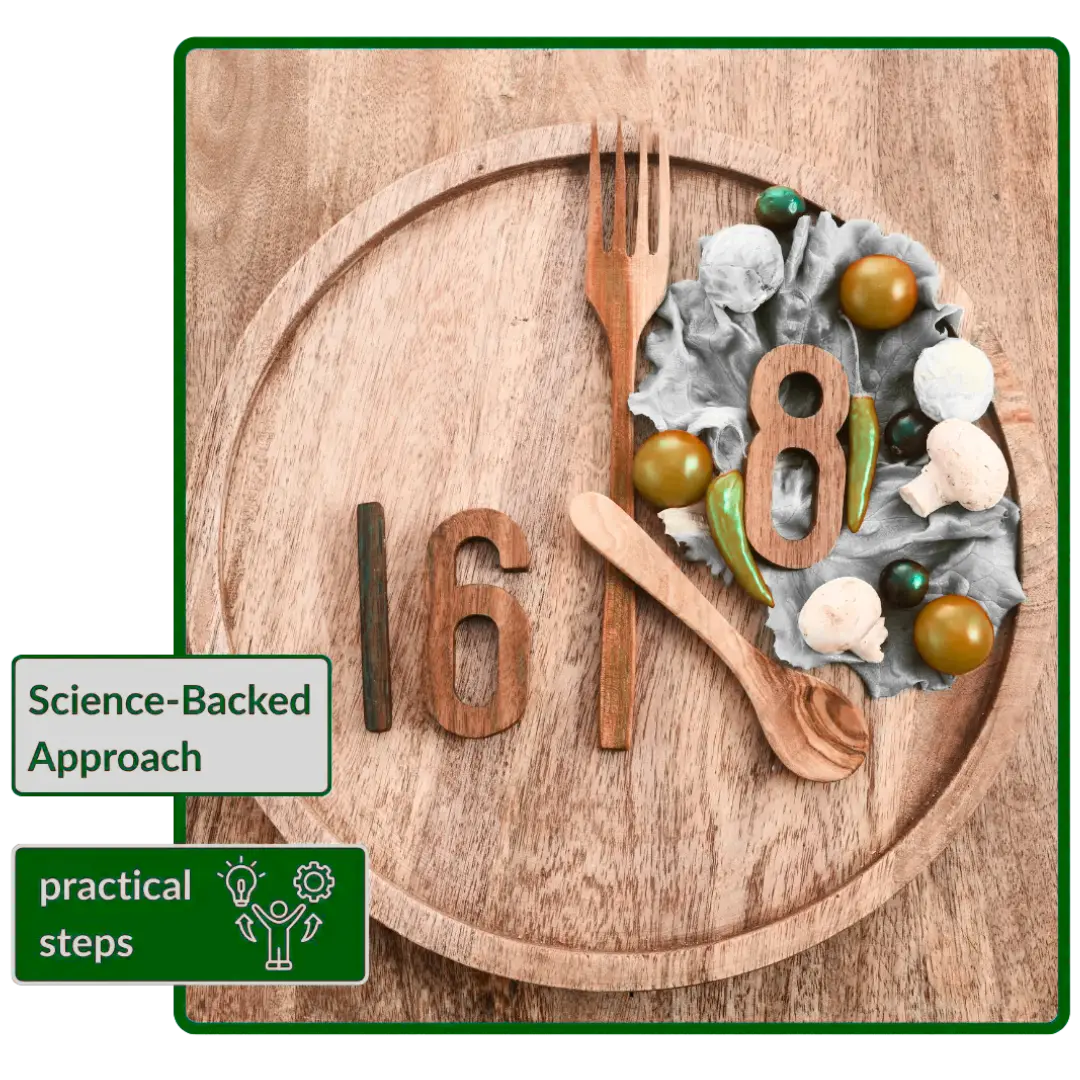
Our Core Focus
Guidance That Meets You Where You Are

Build Your Fasting Habit
Start gently with simple rhythms like 12:12 and 14:10 so fasting feels approachable, not extreme.

Step-by-Step Progression
Move towards 16:8, 18:6, and beyond with guardrails that protect your health.

Lifestyle Support
Hydration, sleep, and first-meal guidance to make fasting fit into your life.
Why Choose NovareVitalis™
Most fasting advice online is either too extreme, too vague, or too unscientific. One day you’re told to fast 72 hours, the next day someone says fasting doesn’t work at all. No wonder it feels confusing and overwhelming.
Here’s what makes us different
Because You Deserve Clarity, Safety, and Results

Evidence-Informed
We’re guided by the pioneering work of leading researchers in metabolism, circadian biology, and human longevity—Mark Mattson, Satchin Panda, Valter Longo, Yoshinori Ohsumi, and others shaping science worldwide.

Practical & Sustainable
Fasting doesn’t have to mean rigid schedules or living in a lab. We design rhythms and protocols that fit your busy life, family meals, work, social events, and travel. You’ll find plans flexible enough to stick with and realistic enough to enjoy.

Step-by-Step Guidance
We don’t throw you into advanced fasting protocols on day one. Instead, we guide you through gentle, progressive stages: 12:12 → 14:10 → 16:8 → 18:6. That way, your body adapts naturally, and you feel more in control with each step forward.

Safety Always Comes First
Fasting is powerful, but it’s not for everyone, and it’s not risk-free. That’s why we build red flags, referral points, and safety guardrails into everything we do. You’ll always know when to push forward, when to pause, and when to seek medical advice.

Science-Backed Benefits
Our approach is rooted in peer-reviewed research showing how fasting supports metabolic health, cellular repair, brain function, and longevity. Every protocol is built on evidence, not passing fads, so you can trust the process.
The Fasting Treasure No Where To Found

Fasting & Cancer: What the Science Really Says (So Far)
Fasting and cancer sits at a sensitive intersection. The short version: promising mechanisms and early human signals, but not a replacement for oncology care. Here’s an honest, research-grounded tour.
Why scientists are interested
Cancer cells often rely on constant growth signals (insulin/IGF-1, mTOR) and have rigid metabolic needs (e.g., high glucose uptake). Fasting lowers insulin/IGF-1, suppresses mTOR, activates AMPK/sirtuins, and ramps autophagy—a milieu that can stress cancer cells while leaving normal cells more resilient. Ketones may not be efficiently used by some tumors, creating a metabolic mismatch.
Differential stress resistance (DSR)
In multiple preclinical models, short fasts protected normal cells from chemotherapy toxicity while sensitizing tumors—the “DSR” concept. Mechanism: healthy cells, sensing a low-nutrient state, enter maintenance mode; cancer cells keep dividing and become more vulnerable.
Fasting-mimicking diet (FMD) and small human studies
Cyclical FMD (very-low-calorie, low-protein, plant-based for 4–5 days/month) reduced IGF-1, insulin, and inflammation and improved risk factor clusters in humans (Brandhorst et al., 2015). Small pilot studies around chemotherapy suggest reduced fatigue, GI side effects, and better tolerance when patients used brief fasting/FMD under medical supervision. Early phase trials are exploring whether fasting/FMD enhances response to chemo, endocrine therapy, or immunotherapy; results are preliminary.
What we cannot claim
Fasting does not “cure” cancer.
We lack large RCTs showing fasting improves survival.
Tumors are heterogeneous; some may adapt to fasting or low-glucose environments.
Practical guidance for patients (with their oncology team)
Do not self-impose long fasts during active treatment without your oncologist’s approval—malnutrition and sarcopenia worsen outcomes.
If your team approves, brief fasts (e.g., 24–48 h pre-chemo, 24 h post) or FMD cycles are the usual research-backed patterns.
Protein sufficiency between cycles is critical; resistance exercise helps preserve lean mass.
Watch for weight loss, weakness, or poor wound healing—reasons to stop fasting immediately.
Prevention & survivorship
Outside active treatment, IF may lower insulin/IGF-1, reduce visceral fat/inflammation, and improve metabolic health—factors tied to lower risk of several cancers (e.g., colorectal, breast post-menopause). A Mediterranean-style diet, regular exercise, limited alcohol, and healthy weight remain the strongest lifestyle levers; IF can help you keep them.
Bottom line
Fasting and FMD show mechanistic plausibility and early clinical promise for improving tolerance to therapy and possibly enhancing efficacy—but standard care comes first. Any fasting in oncology should be clinician-directed, with vigilant nutrition and strength maintenance.
Selected references
Brandhorst S et al. FMD improves risk factors. Sci Transl Med. 2015;7:285ra62.
Longo VD, Mattson MP. Fasting and disease, mechanisms. Cell Metab. 2014;19:181–192.
de Cabo R, Mattson MP. N Engl J Med. 2019;381:2541–2551.
Safdie FM et al. Fasting and chemotherapy tolerance (pilot). Sci Transl Med. 2009;1:13ra2.
Dorff TB et al. Safety of fasting before chemotherapy. BMC Cancer. 2016;16:360.

Ready to Begin?
Your fasting journey doesn’t need to be confusing, risky, or overwhelming.
With NovareVitalis™, you’ll gain clarity, confidence, and a path you can live with.
COMPANY
Keep in Touch
Copyrights 2025 | Terms & Conditions
Disclaimer: The information available is for informational purpose only and not intended to diagnose, treat, cure, or prevent any disease.